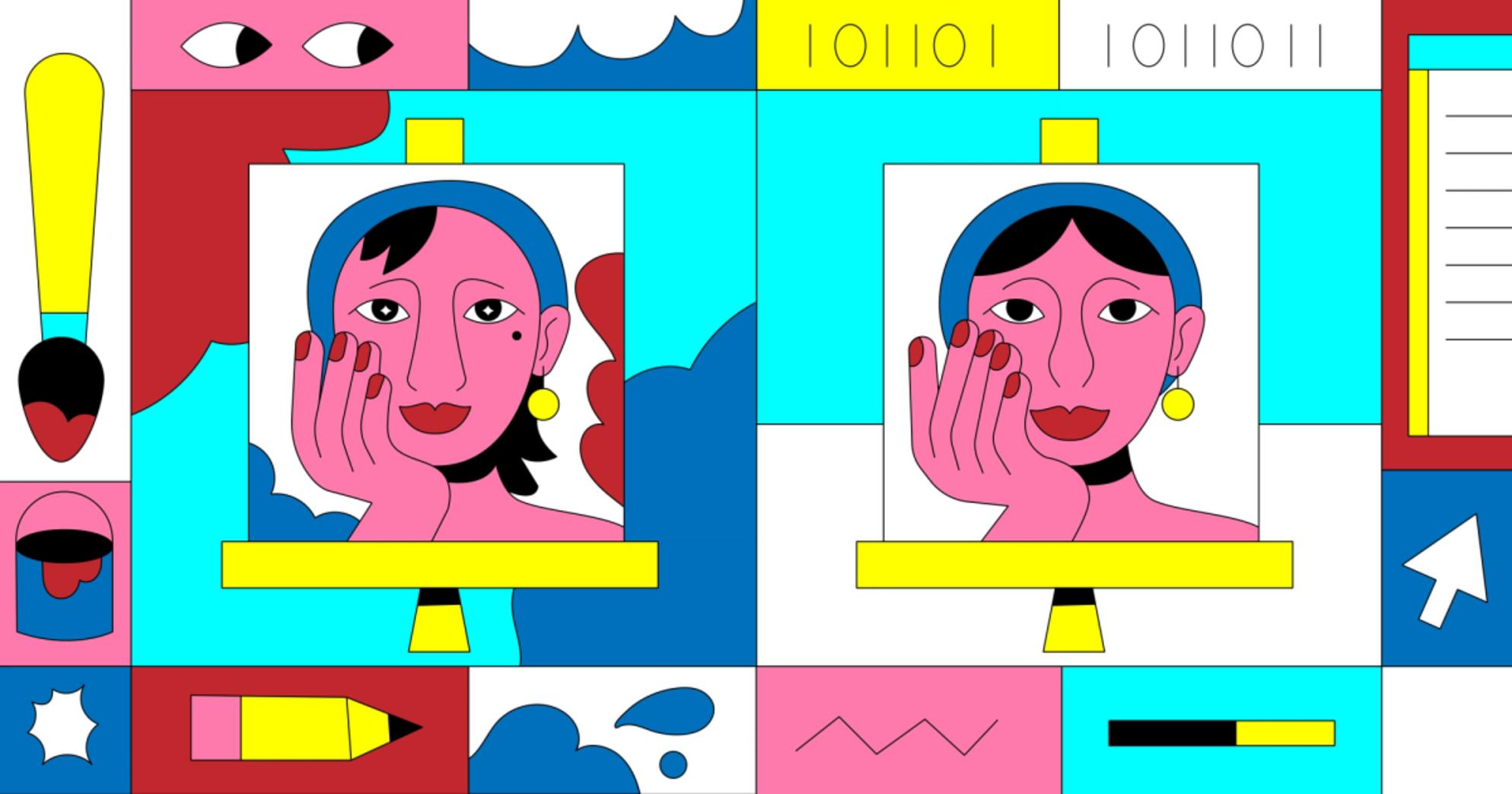
Understanding 'The AI Ick': Navigating Our Complex Feelings About AI-Generated Content
Artificial Intelligence (AI) is reshaping the landscape of content creation, from writing to art, raising important questions about authenticity, creativity, and the very definition of art itself. A term that has recently gained traction in this context is "The AI Ick," describing a kind of uneasy, visceral reaction people have when they engage with AI-generated material.
In this article, we delve into what "The AI Ick" means, why many experience it, and how AI-generated content is detected and evaluated. We will also explore the essential role of human creativity and consider what art truly represents in this new era of technological collaboration.
What Is "The AI Ick"?
"The AI Ick" refers to the disconcerting sensation or skepticism people feel towards content that is produced by artificial intelligence rather than humans. This emotional response stems from concerns about authenticity, originality, and the fear that AI might diminish the value of human creativity.
The Role of AI Detectors
As AI-generated content proliferates, tools designed to detect such material have become important. AI detectors analyze text and images to identify patterns typical of machine-generated content, helping platforms and users discern authenticity. While these tools aid in transparency, their results can sometimes be inconclusive, reflecting the blurred lines between human and AI production.
Why Human Creativity Still Matters
Despite advancements in AI, human creativity remains unique in its emotional depth, cultural context, and nuanced understanding. AI can generate impressive content quickly and at scale, but it lacks consciousness and lived experiences that inform authentic creative expression.
Human artists and writers bring intention, empathy, and imperfections that resonate with audiences. This distinctly human touch ensures that art continues to evoke meaningful emotions and provoke thought.
Redefining Art in the Age of AI
The rise of AI challenges traditional definitions of art. If art is the expression of human experience, can AI-generated works be considered art? Some argue that art is a collaborative process where tools, human or machine, extend creative capabilities.
Ultimately, the integration of AI in creative fields invites us to rethink what art is, who can be an artist, and how technology augments rather than replaces human imagination.
Conclusion
As AI-generated content becomes increasingly prevalent, the emotional discomfort known as "The AI Ick" reflects a broader cultural dialogue about creativity, authenticity, and technological progress. By understanding these feelings and embracing both AI's capabilities and human artistry, we can foster a richer, more inclusive creative future.

Sajad Rahimi (Sami)
Innovate relentlessly. Shape the future..
Recent Comments