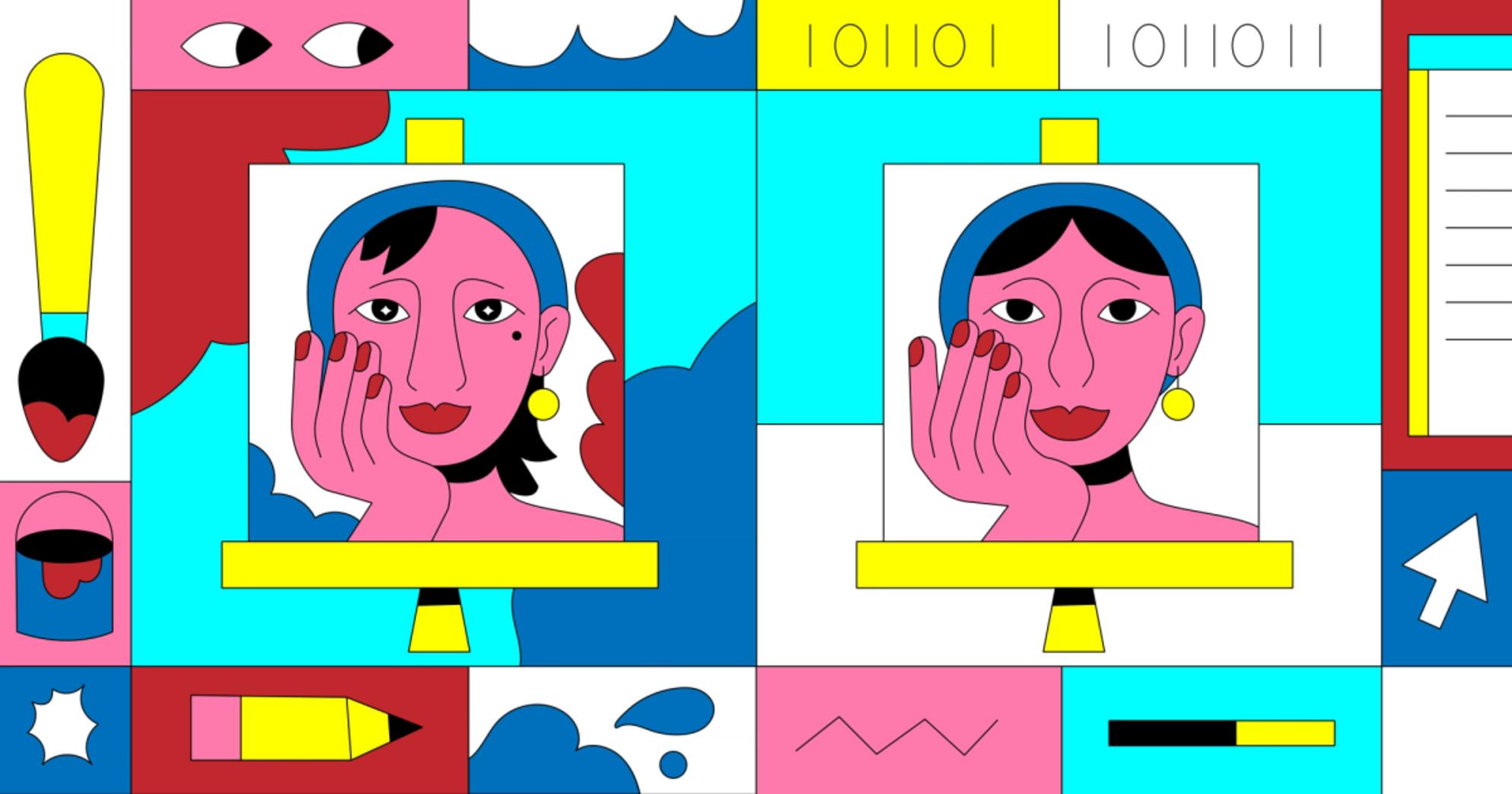
The AI Ick: Navigating Our Mixed Feelings About AI-Generated Content and the Value of Human Creativity
The AI Ick: Navigating Our Mixed Feelings About AI-Generated Content and the Value of Human Creativity
As artificial intelligence becomes deeply entwined in content creation—ranging from written articles to visual art—there is a growing cultural reaction commonly dubbed "The AI Ick." This phenomenon reflects a discomfort or skepticism many people feel toward AI-generated works, along with questions about authenticity, creativity, and the nature of art itself.
Why Do We Feel the "AI Ick"?
Many people express an intuitive unease with content generated by AI. This reaction is rooted in the perception that AI lacks the intentionality and emotional depth characteristic of human creation. For example, while an AI might compose an essay or paint a digital image that appears impressive, it does so by analyzing vast datasets and recognizing patterns rather than originating ideas or feelings.
This sensation is not merely about quality—some AI works can be remarkably convincing—but about connection and meaning. When we consume creative expressions, we often seek to understand the human experience behind them. AI, by its nature, does not possess consciousness or experiences, which can make its outputs feel hollow or "off" to some.
What Can AI Detection Tools Tell Us?
In response to the rise of AI-generated content, developers have built AI detectors that analyze text or images to determine their likely source. These tools often look for statistical patterns, linguistic cues, or image artifacts indicative of machine generation. While useful, these detectors are not infallible and can sometimes misclassify content, reflecting the complex overlap between AI and human creativity.
The presence of detection tools encourages transparency about content origin, which some advocates see as essential for maintaining trust and evaluating creative authenticity. However, this also raises ethical and practical questions about privacy, false positives, and how such designations might affect the perception of creators and their work.
Why Human Creativity Still Matters
Despite advances in AI, human creativity remains uniquely vital. Creativity is not just about producing novel combinations of data; it involves lived experience, empathy, intention, and cultural context. Human artists and writers embed personal meaning and societal commentary into their work, sparking reflection, emotions, and dialogue.
Moreover, human creativity drives innovation by challenging norms and imagining futures beyond current data and patterns—something AI currently cannot do on its own. The collaboration between AI and humans can augment creative processes, but preserving the human element ensures that art remains a meaningful expression of our shared humanity.
What Is Art in the Age of AI?
The definition of art has always evolved, shaped by cultural, philosophical, and technological developments. The rise of AI-generated content invites us to reexamine what art means and how we value it. Is art defined by the creator's identity, the creative process, the emotional impact, or the audience's reception?
While AI challenges traditional conceptions, it also expands possibilities, enabling new forms of creativity and collaboration. Ultimately, the discourse around AI art encourages deeper exploration of creativity's essence and inspires us to consider how technology can complement rather than replace human expression.

Sajad Rahimi (Sami)
Innovate relentlessly. Shape the future..
Recent Comments