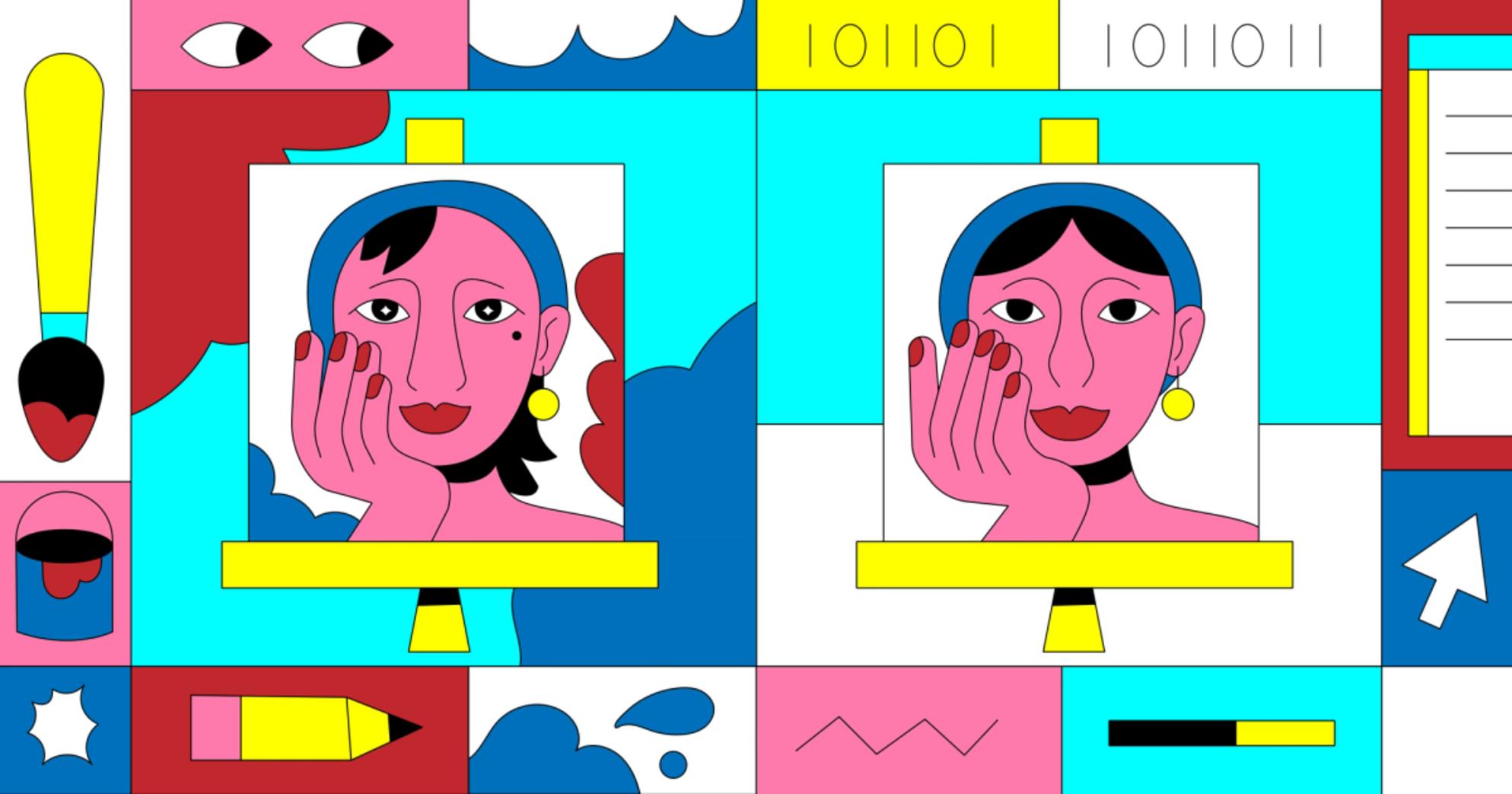
Understanding 'The AI Ick': Navigating Emotions and Ethics Around AI-Generated Content
Artificial intelligence (AI) has revolutionized content creation, empowering machines to generate text, art, and other creative output at an unprecedented scale. Yet, alongside this surge in AI-generated content, a subtle but pervasive feeling known as the "AI Ick" has emerged — a sense of discomfort or unease towards AI-generated works that questions their authenticity and value.
In this article, we explore what underlies the AI Ick, what AI detectors reveal about machine versus human-made content, and why human creativity remains a vital force in art and culture.
What Is the "AI Ick"?
The "AI Ick" refers to an intuitive emotional reaction many people experience when engaging with AI-generated content. This reaction can stem from a perception that AI lacks genuine creativity, emotional depth, or humanity — qualities traditionally associated with authentic art and writing.
Whether encountering an AI-written article, a computer-generated painting, or an AI-composed piece of music, some find themselves questioning the value or meaning of such works, feeling a sense of disconnection or skepticism.
The Role of AI Detectors
AI detectors have been developed to differentiate between human and AI-generated text or media. These tools analyze patterns, word usage, and statistical data to flag content likely created by machines.
While AI detectors can confirm the origin of content, their existence also contributes to the conversation about trust and authenticity. The need to disclose or detect AI involvement highlights societal concerns about transparency, originality, and ethical use.
Why Human Creativity Still Matters
Despite impressive advances in AI, human creativity encompasses imagination, experience, empathy, and cultural context — elements that machines presently cannot fully replicate. Art and writing are not merely technical exercises but expressions of human emotion, identity, and social commentary.
Human creators imbue works with meaning born from personal stories, struggles, and aspirations, forging connections with audiences on a profound level. This intrinsic value is hard to replace or imitate with AI alone.
Redefining Art and Creativity in an AI Era
The rise of AI forces society to reconsider traditional definitions of art and creativity. Can AI be considered an artist? Does assisted or collaborative creation diminish the authenticity of a work?
Many experts argue for embracing a collaborative future where AI tools enhance human creativity rather than replace it. The relationship between artist and AI becomes a new frontier for exploration, innovation, and cultural evolution.
Conclusion
The "AI Ick" reflects deep questions about identity, authenticity, and the human spirit as AI-generated content becomes ubiquitous. Recognizing these feelings invites a richer dialogue on how to integrate AI ethically and meaningfully within creative fields, ensuring that technology complements rather than compromises the uniquely human essence of art and expression.

Sajad Rahimi (Sami)
Innovate relentlessly. Shape the future..
Recent Comments