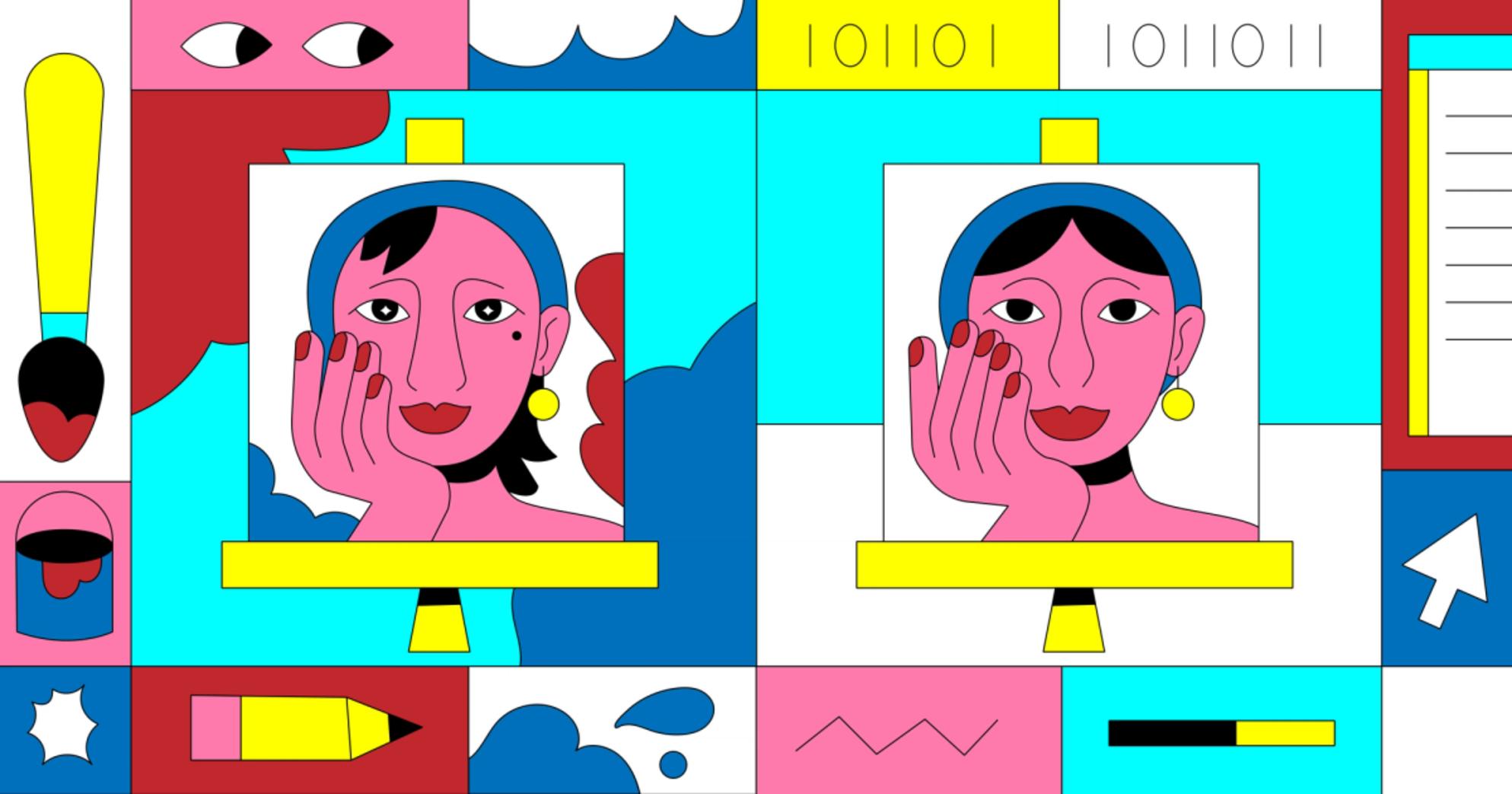
Understanding the AI Ick: Human Creativity in the Age of Artificial Intelligence
As artificial intelligence continues to advance, especially in content creation, society faces a nuanced emotional response often termed the "AI ick." This phenomenon captures the discomfort and skepticism many feel toward AI-generated works, be it in writing, art, or other creative endeavors. Understanding this response requires a deep dive into how AI-generated content is perceived, the implications of AI detection technologies, and the timeless value of human creativity.
The Emotional Landscape of AI-Generated Content
AI-generated content has grown increasingly sophisticated, capable of producing text, images, and even music that can rival human creations in quality. Despite this, many individuals report an innate discomfort—a feeling that these works lack authenticity or soul. This emotional barrier, dubbed the "AI ick," reflects concerns about originality, the erosion of human artistry, and ethical considerations regarding authorship.
AI Detectors: What They Reveal and Why They Matter
To navigate this new creative ecosystem, various AI detection tools have emerged aiming to distinguish human-made content from AI-generated counterparts. These detectors are useful for maintaining academic integrity, protecting intellectual property, and preserving trust in information sources. However, their rise also introduces debates about privacy, the definition of creativity, and the potential stigmatization of AI-assisted works.
Why Human Creativity Remains Irreplaceable
Despite AI's impressive capabilities, human creativity is rooted in lived experience, emotion, and intention—elements that machines cannot authentically replicate. Human artists embed meaning, cultural context, and intricate emotional nuances into their creations, fostering connections that transcend technical perfection. This irreplaceability underscores the argument that art is more than the output; it's the human journey behind it.
Redefining Art in the Age of AI
The evolving relationship between AI and creative production invites us to ponder: What is art? As AI tools become collaborators rather than mere instruments, the boundaries of artistic expression expand. This shift encourages a redefinition of art that embraces hybrid creativity, where humans and AI co-create, enhancing innovation while challenging traditional notions.
Ultimately, embracing this complex dynamic involves balancing appreciation for technological advancements with a recognition of the invaluable human spirit that breathes life into true artistry.

Sajad Rahimi (Sami)
Innovate relentlessly. Shape the future..
Recent Comments