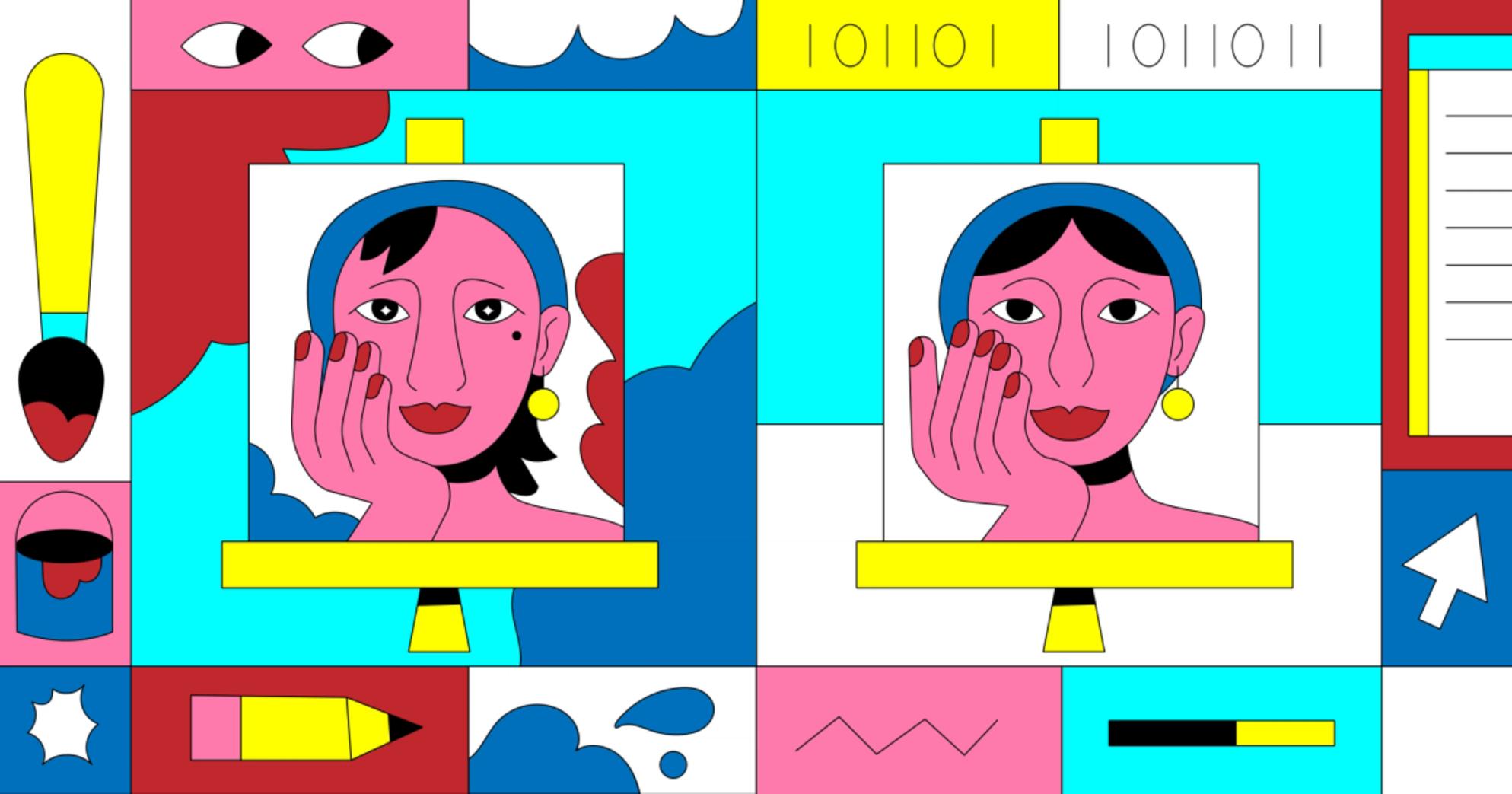
The AI Ick: Navigating Our Complex Feelings About AI-Generated Content
In recent years, the proliferation of AI-generated content has sparked intense debate among creators, consumers, and technologists alike. Dubbed "the AI ick," this complex discomfort illustrates our evolving relationship with artificial intelligence as it increasingly influences art, writing, and other creative domains.
Understanding the AI ick
The term "AI ick" encapsulates an uneasy feeling many experience when engaging with content produced by algorithms rather than humans. It's a mix of skepticism, distrust, and sometimes revulsion toward the authenticity and originality of AI-driven creations. But why does this sensation exist?
One reason lies in the intrinsic value we place on human creativity—a uniquely personal and emotional expression of experience, imagination, and skill. AI, no matter how sophisticated, operates on data patterns and lacks consciousness, intention, or emotional depth. This perceived lack of "soul" in AI creations contributes to the AI ick.
The Role of AI Detectors
In response to the rise of AI-generated content, tools known as AI detectors have been developed to identify whether writing, images, or other media originate from humans or machines. These detectors, though helpful, are imperfect and can sometimes misclassify content, adding to the confusion and mistrust about AI's presence in creative fields.
Moreover, their existence raises ethical questions: Should content be labeled as AI-generated, and how does that impact its reception? Is there a stigma around AI involvement that might unfairly penalize creators leveraging these technologies?
Why Human Creativity Still Matters
Despite advances in AI capabilities, human creativity remains essential. It embodies emotions, cultural nuances, and original perspectives that are difficult for AI to authentically replicate. Furthermore, the collaborative potential between humans and AI opens exciting new pathways for creativity, enhancing imagination rather than replacing it.
As we grapple with defining art in an AI age, it becomes clear that art is not merely the end product but also the process and intent behind its creation. Recognizing this helps us appreciate both human-made and AI-assisted works with a more nuanced perspective.
Conclusion
The AI ick reflects our ongoing negotiation with technology's role in creativity and culture. By understanding and addressing our concerns, embracing transparency, and fostering collaboration, we can create a future where AI supports and amplifies human creativity rather than diminishes it.

Sajad Rahimi (Sami)
Innovate relentlessly. Shape the future..
Recent Comments