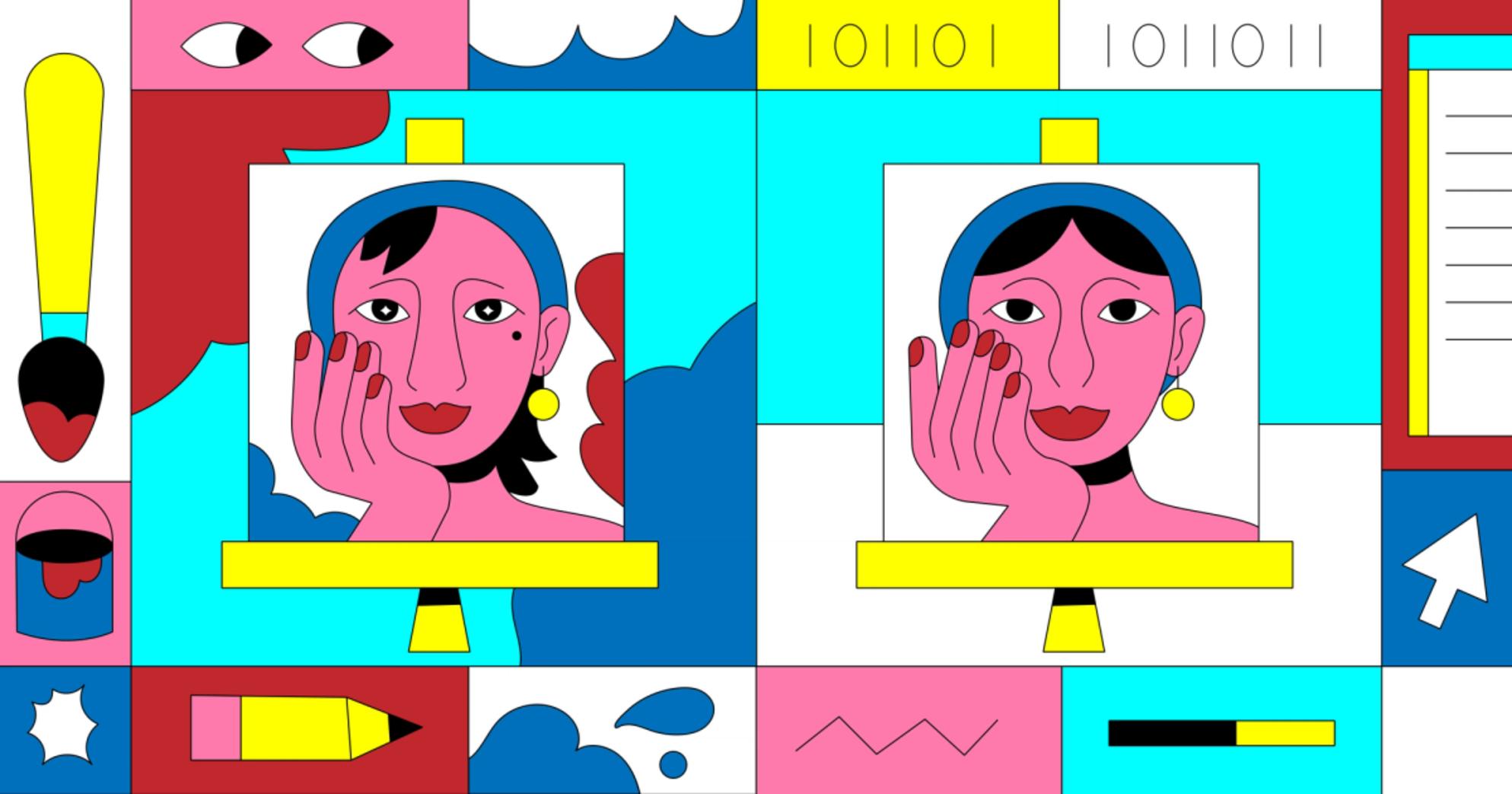
The AI Ick: Navigating Feelings Around AI-Generated Content and Human Creativity
Artificial intelligence (AI) has taken enormous strides in recent years, revolutionizing fields from data analysis to creative content generation. However, despite these technological advances, many people experience a distinct discomfort or aversion when encountering AI-generated text, images, or music — a feeling now sometimes called the "AI ick." This phenomenon raises important questions about how humans relate to artificially created content, the role of AI detectors, and what truly defines artistry and creativity.
Understanding the "AI Ick"
The "AI ick" refers to a subtle but pervasive sense of unease or skepticism when people realize that a piece of content was generated by AI rather than a human. This response is often rooted in concerns about authenticity, originality, and emotional resonance. People value human experiences, emotions, and intentions as core components of creative expression; when such traits seem absent or synthetic, trust and connection can diminish.
The Role of AI Detectors
As AI-generated content becomes more widespread and sophisticated, tools have emerged to detect and flag such content, from text to images. These AI detectors analyze patterns, phrasing, and statistical signatures to identify the probable origin of content. While these detectors can be helpful for maintaining transparency — for example, in academic settings or journalism — they often also amplify the "ick" factor by highlighting the non-human creator behind a piece.
Why Human Creativity Still Matters
Despite the impressive capabilities of AI, human creativity remains essential. Creativity is not just about producing content that follows patterns or mimics styles; it involves intuition, lived experience, emotions, moral considerations, and cultural context that AI cannot fully replicate. The human element imbues art and writing with authenticity and meaning, enabling deep connection and reflection.
The ongoing dialogue around AI-generated content invites us to critically reflect on what constitutes art. Is art the outcome, the creative process, the intent, or the interaction it fosters? These questions underscore the significance of preserving and valuing human creativity even as we harness AI's potential as a tool and collaborator.
Looking Forward
As AI technologies advance, balancing innovation with ethical considerations and emotional resonance will be key. The conversation is not just about managing the "AI ick" but about integrating AI in ways that complement and enhance human creativity rather than replace it. Embracing this synergy may lead to new art forms and modes of expression that enrich culture and society.

Sajad Rahimi (Sami)
Innovate relentlessly. Shape the future..
Recent Comments