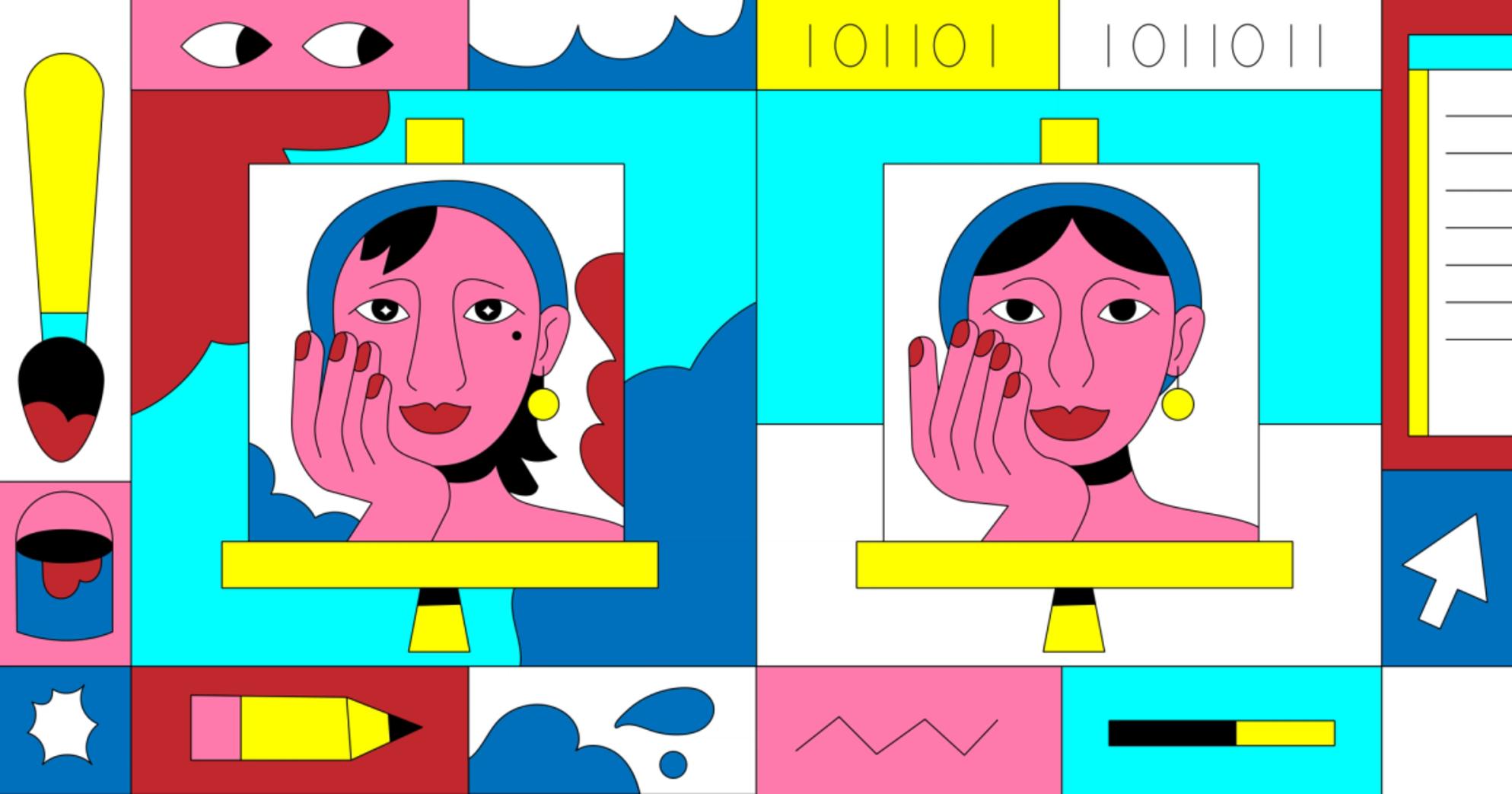
The AI Ick: Exploring Our Complex Relationship with AI-Generated Content
In the rapidly evolving landscape of artificial intelligence, one of the most provocative topics is the rise of AI-generated content. From written articles and artwork to music and code, AI's creative potential challenges our understanding of originality and the human touch. This phenomenon has given rise to what some call the "AI ick"—a visceral discomfort or skepticism towards creative works produced by machines rather than humans.
So why do people feel this "ick"? It stems from a complex mix of emotions and ethical considerations. AI-generated content often lacks the nuanced experiences and intentions that human creators embed in their work, leading to concerns about authenticity and emotional resonance. Moreover, there is unease about the proliferation of AI-produced material flooding creative spaces, potentially diminishing the value placed on human effort and ingenuity.
AI detectors have entered the scene as tools designed to identify machine-generated text or imagery. These detectors assist publishers, educators, and readers in discerning the origin of content, which has become crucial as AI writing tools grow more sophisticated. However, AI detectors are not infallible—their accuracy can vary, and they sometimes flag genuine human work as AI-generated or overlook subtle AI contributions.
This dynamic raises profound questions about what we define as "art." Is art simply the final product, or does the creator's intentionality and lived experience imbue it with meaning? Human creativity is deeply intertwined with emotion, culture, and history, elements that AI presently mimics but cannot truly experience. Consequently, many argue that while AI can assist or inspire, it cannot replace the rich depth of human artistic expression.
Ultimately, the conversation about AI-generated content is more than technical debate—it is a reflection on the value of humanity's creative spirit in an era of intelligent machines. As AI continues to evolve, society must navigate these challenges thoughtfully, balancing innovation with respect for the irreplaceable qualities of human creativity.

Sajad Rahimi (Sami)
Innovate relentlessly. Shape the future..
Recent Comments