Spec-Driven Development in the Era of AI-Powered Vibe Coding
Spec-Driven Development in the Era of AI-Powered Vibe Coding
By Phoebe Sajor | Published on October 31, 2025
As the software development landscape rapidly evolves, artificial intelligence is redefining how developers write and manage code. What began as simple autocomplete tools has now transformed into sophisticated AI agents capable of generating complete codebases from high-level specifications. This transformation has given rise to a new development paradigm: spec-driven development integrated seamlessly with what is known today as vibe coding.
From Autocomplete to Intelligent Coding Agents
Initially, AI-assisted programming primarily focused on speeding up small tasks like code suggestions and syntax completion. However, recent advancements in natural language processing and machine learning have enabled the creation of intelligent coding agents that interpret natural language specifications and translate them into fully functioning code.
These agents act more like collaborative partners than just tools, understanding the developer's intent from concise instructions or specifications, thus drastically reducing the friction in coding complex software components.
Introducing Kiro: Pioneering Spec-Driven Development at AWS
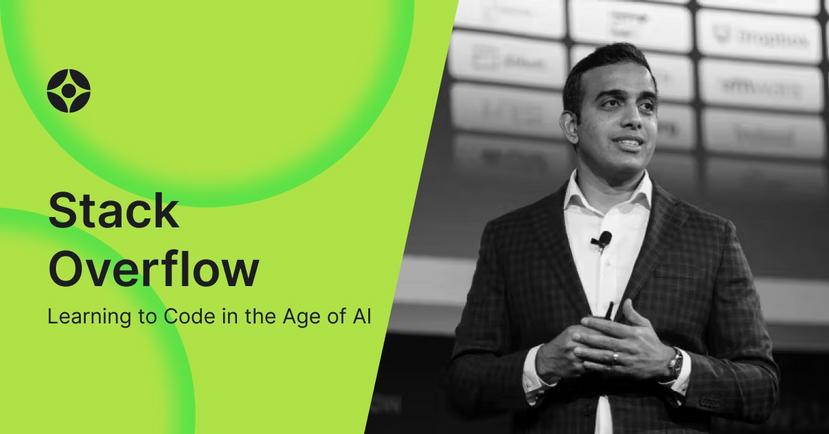
Among the notable innovations in this field is AWS's initiative, Kiro, led by Deepak Singh, VP of Developer Agents and Experiences. Kiro exemplifies how spec-driven development can be embedded into the workflow, allowing developers to simply provide detailed specs and have AI agents generate reliable, maintainable code in response.
This approach not only enhances developer productivity but also promotes better software architecture by ensuring that code generation aligns strictly with predefined specifications. It reduces guesswork and helps maintain consistency across teams and projects.
The Future of Vibe Coding
Vibe coding, a concept focused on dynamic and interactive programming experiences, benefits tremendously from spec-driven AI agents. As these agents mature, they promise to change how developers interact with code, moving toward a future where writing software is less about typing lines of code and more about articulating precise, high-level intentions.
Looking ahead, companies like AWS continue to drive innovation, with tools like the Kiro agent setting new standards for how AI and human developers collaborate to build the software of tomorrow.

Sajad Rahimi (Sami)
Innovate relentlessly. Shape the future..
Recent Comments