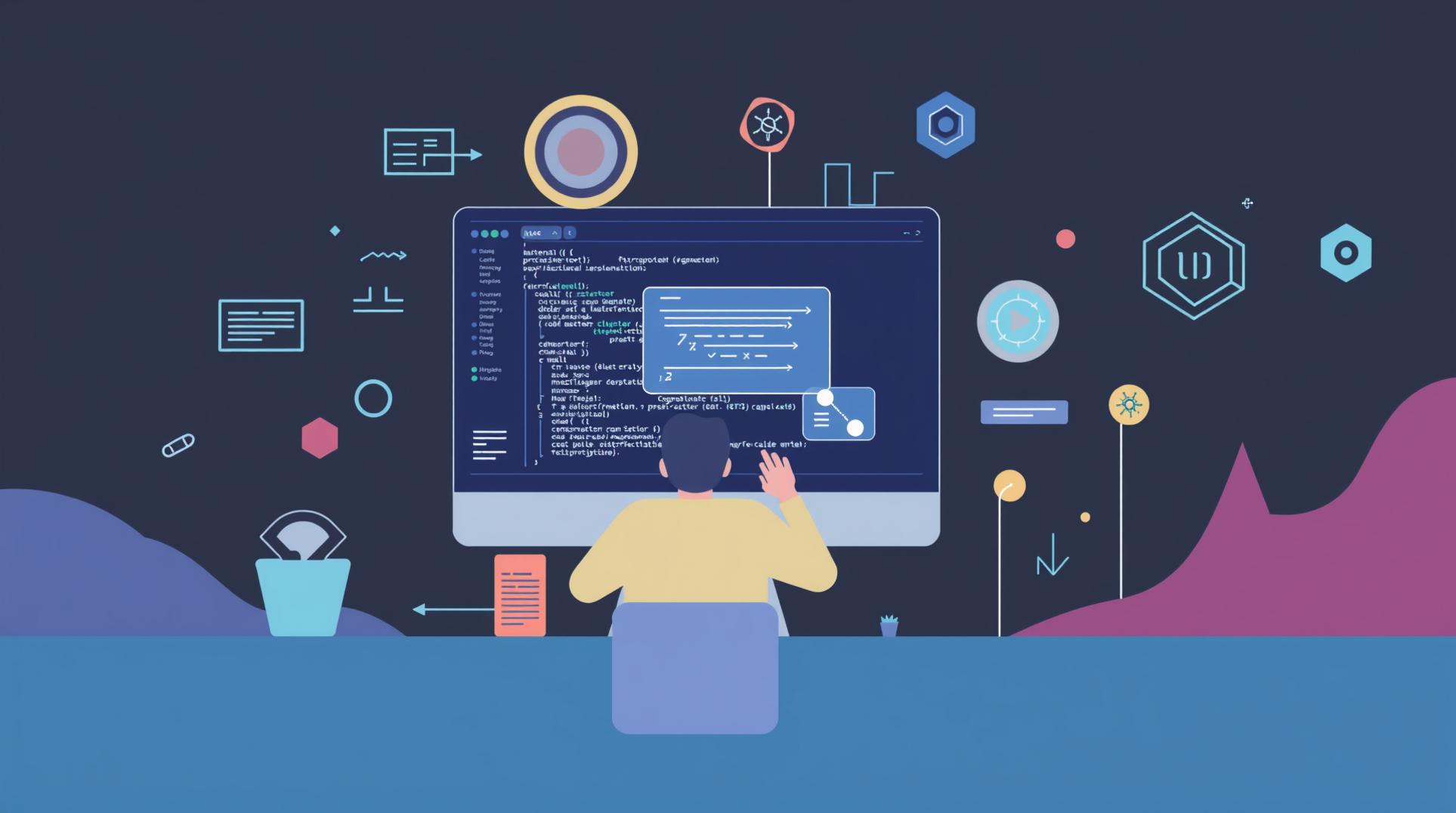
A New Worst Coder Has Entered the Chat: Vibe Coding Without Code Knowledge
In recent years, artificial intelligence has dramatically transformed the software development landscape, enabling even those without formal coding backgrounds to create applications. Among emerging trends is "vibe coding," a novel practice where individuals rely on intuition, AI tools, and interface-driven methods to build software rather than writing traditional code.
This new wave of developers, sometimes humorously dubbed the "worst coders," attempt to bring their ideas to life without deep technical knowledge. But is vibe coding truly a revolutionary democratization of programming, or does it introduce risks, inefficiencies, and challenges?
What is Vibe Coding?
Vibe coding involves harnessing AI-powered platforms and no-code or low-code tools to translate high-level concepts or "vibes" into functioning applications. Instead of manually coding algorithms and infrastructures, users describe functionality in natural language or select from templates, allowing AI-driven systems to generate the underlying code.
These tools may include generative AI assistants, visual editors, drag-and-drop interfaces, and automated deployment processes. By lowering the barriers to entry, they appeal to entrepreneurs, creatives, and professionals who lack formal programming education but want to prototype or release software rapidly.
Advantages and Appeal
- Accessibility: Vibe coding empowers non-technical users to participate in software creation, fostering innovation from diverse perspectives.
- Speed: Rapid prototyping accelerates time-to-market, benefiting startups and experimental projects.
- Cost-effectiveness: Reduces the need to hire dedicated developers in early stages.
Challenges and Limitations
Despite these benefits, vibe coding faces notable drawbacks:
- Quality Concerns: Generated code may lack efficiency, maintainability, and robustness, leading to technical debt.
- Knowledge Gaps: Without understanding underlying principles, users might create insecure or unreliable solutions.
- Scalability Issues: No-code platforms can struggle to support complex or large-scale applications.
- Loss of Best Practices: Missing opportunities to apply architectural design, testing, and optimization.
Perspectives from the Tech Community
Seasoned developers often view vibe coding with skepticism, warning that while AI and no-code tools are valuable assistants, they cannot replace foundational programming skills. Meanwhile, advocates highlight successful use cases where vibe coding catalyzed innovation and lowered traditional barriers to entry.
Ultimately, vibe coding may represent a complementary approach rather than a wholesale substitute, enabling collaboration between creative minds and technical experts.
Conclusion
Vibe coding symbolizes the evolving intersection of AI and human creativity, creating opportunities and challenges. For those without prior software expertise, it offers an exciting but imperfect gateway into development. To maximize benefits, users should seek to build technical understanding alongside leveraging AI tools, balancing "vibes" with code craftsmanship.

Sajad Rahimi (Sami)
Innovate relentlessly. Shape the future..
Recent Comments