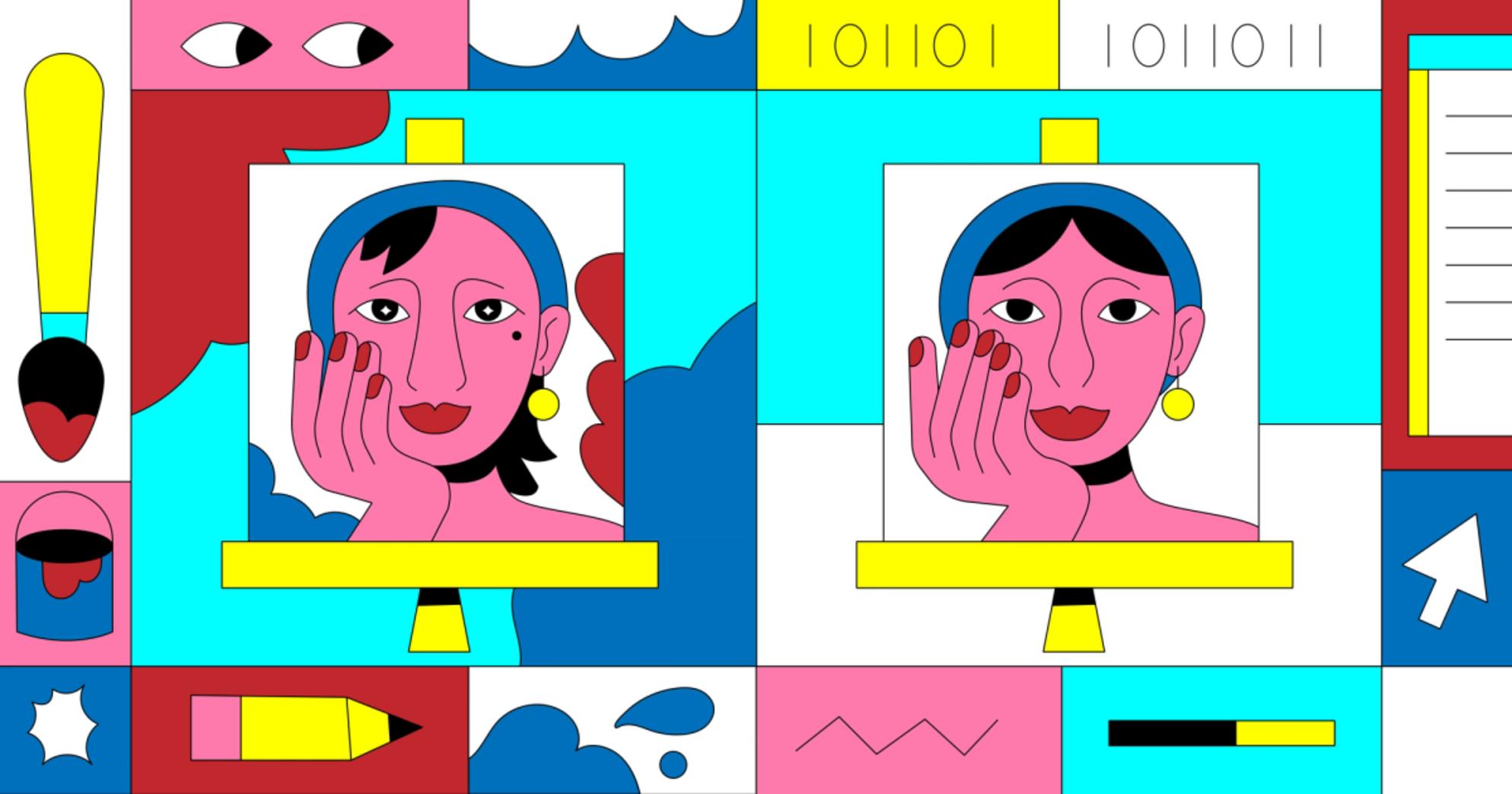
Navigating the Complex Feelings Around AI-Generated Content: Creativity, Detection, and Art
In recent years, artificial intelligence has rapidly transformed how content is created, distributed, and consumed. AI-generated content—from writing and images to music and video—presents both exciting opportunities and complex challenges. This evolving landscape prompts deep questions: How do we feel about content produced by AI? What do AI detection tools reveal about the nature of this content? And fundamentally, why does human creativity remain essential in the digital age?
The Emotional Response to AI-Generated Content
Many consumers and creators experience what some call the “AI ick” — a discomfort or unease with AI-produced works. This unease stems from several factors: a sense that AI content lacks genuine emotional depth, concerns over authenticity, and fears that machines might replace human artistry. While AI can mimic human styles or generate novel combinations of existing data, its outputs often spark debates about originality and value.
The Role and Limits of AI Detectors
With the rise of AI-produced text and images, tools designed to detect AI-generated content have become popular. These detectors analyze linguistic patterns, stylistic elements, or pixel-level irregularities to differentiate human work from machine output. However, detection is not foolproof; as AI models become more sophisticated, distinguishing between human and AI content grows increasingly complex. This limits how much we can rely solely on detection to assess authenticity or creativity.
Why Human Creativity Still Matters
Despite AI's impressive capabilities, human creativity remains indispensable. Creativity is more than assembling data; it’s about lived experience, emotion, cultural context, and consciousness. Humans embed subtle meanings and personal narratives into their work that machines do not genuinely experience. Moreover, creativity fuels innovation, empathy, and connection—elements central to art and communication.
Rethinking 'What is Art?'
The proliferation of AI art raises fundamental questions about definitions of art itself. If art is understood as a human expression of emotion and observation, can AI-generated pieces be considered true art? Or should they instead be viewed as tools, mediums, or collaborations? As AI increasingly participates in creative processes, our understanding of authorship, creativity, and artistic value continues to evolve.
Looking Forward: Collaboration Between Humans and AI
Rather than framing AI content generation as a competition, many experts advocate for viewing AI as a creative partner. Collaborations between humans and AI can push artistic boundaries, augment human creativity, and democratize content creation. Cultivating thoughtful engagement with AI tools while preserving human insight may offer the most enriching future for creativity and art.
In navigating the complexities of AI-generated content, it’s crucial to embrace nuanced perspectives that honor human creativity, understand technological capabilities and limitations, and remain open to redefining art's evolving landscape.

Sajad Rahimi (Sami)
Innovate relentlessly. Shape the future..
Recent Comments