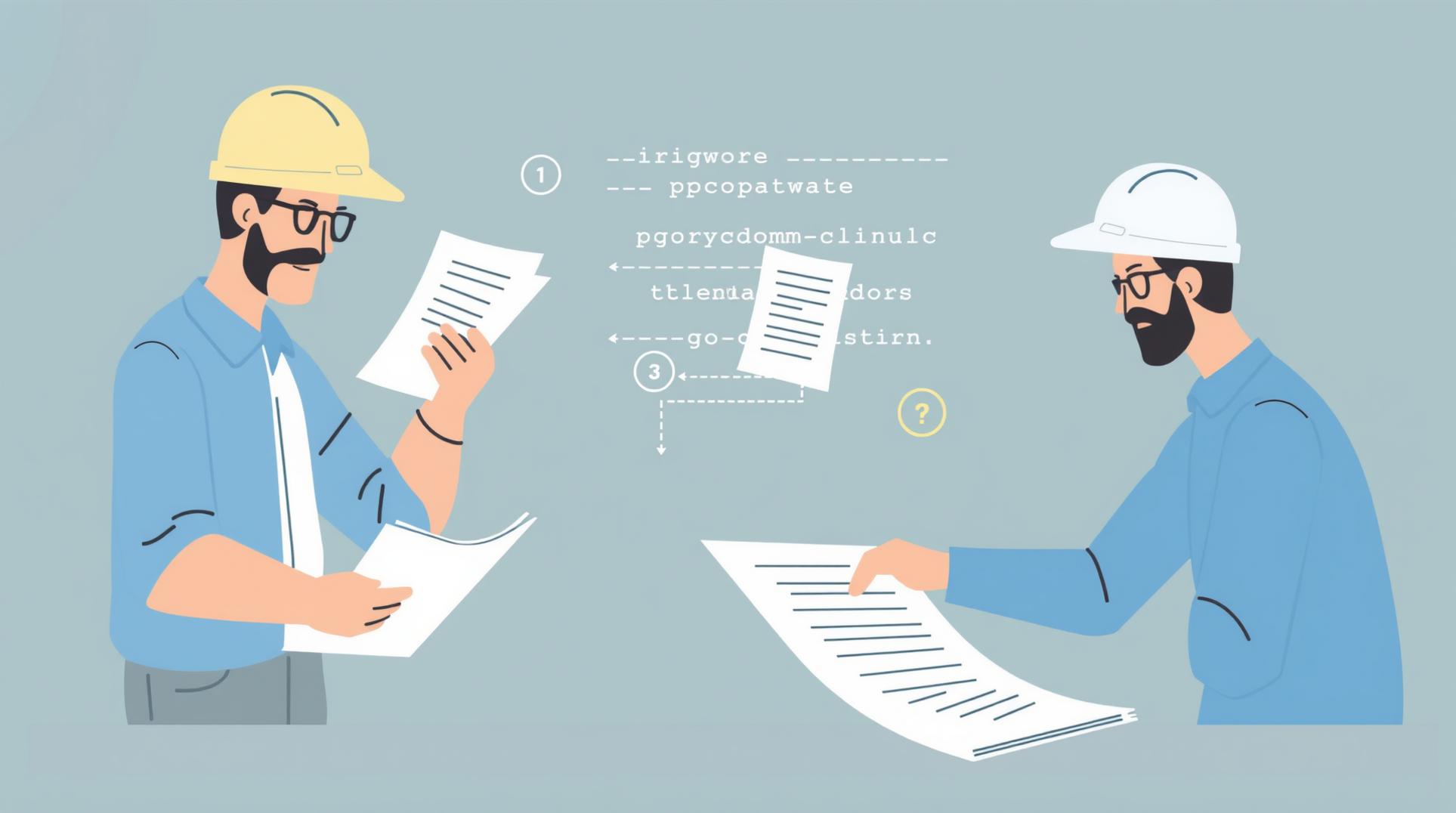
Documents: The Architect’s Programming Language
In the world of software development, there's often a distinction made between senior developers and architects. Senior developers excel at writing and deploying code that runs on machines—systems made purely of code. Architects, however, operate on a different plane: they deploy ideas to complex systems made of people.
This duality highlights an important perspective in how software systems and organizations function. While the developer's domain is the precise, controlled environment of code and algorithms, the architect's domain is the human ecosystem that builds, maintains, and evolves these systems. The real challenge lies in harmonizing these realms.
The Architect’s Programming Language: Documents
Unlike compiled languages or scripts, the architect’s "programming language" is documents. These include designs, plans, requirements, models, and communication artifacts. Documents translate abstract ideas into a shared understanding among diverse teams and stakeholders.
Architects leverage documentation as tools to align vision, manage complexity, and coordinate action. Well-crafted documents act like source code for organizations—defining protocols, workflows, standards, and architectural decisions that guide development.
Why Documents Matter More Than Ever
- Complexity Management: Modern systems comprise thousands of interconnected components. Documents serve as maps, helping teams navigate intricate dependencies.
- Communication: Different teams, from developers to product owners to executives, require clear, accessible information tailored to their needs.
- Traceability: Documentation preserves the reasoning behind decisions, enabling future adaptability and accountability.
- Collaboration: Shared documents foster teamwork, knowledge transfer, and collective ownership.
Best Practices for Architects in Documentation
- Clarity: Use straightforward language, diagrams, and examples.
- Conciseness: Keep documents focused to avoid information overload.
- Accessibility: Ensure documentation is easy to find and navigate.
- Living Documents: Regularly update to reflect evolving realities.
Conclusion
While developers deploy code into technical environments, architects deploy ideas into human organizations through documents. Recognizing and mastering this difference empowers architects to lead effectively and create resilient, adaptable systems that thrive over time.

Sajad Rahimi (Sami)
Innovate relentlessly. Shape the future..

Recent Comments